Legacy Lab™

I’m Karen Salmansohn, a multi-bestselling author, CLIO award winning writer, leading behavioral change expert, founder of the Mortality Awareness Movement, columnist for Oprah & Psychology Today…. with 2 million books sold.
I’ve spent decades at the intersection of behavioral psychology, storytelling, identity and meaning.
I’m passionate about helping people to transform their life story into values & lessons, that can be understood, remembered, and carried forward.
Because the next generation doesn’t just need to inherit your wealth. They need to inherit your wisdom and philosophies.
Many people know me as:
the bestselling author of “Your To Die For Life.”
For the last 30 years, I've researched what makes for a meaningful life.
And how to ensure you're leaving behind a meaningful legacy.
Through my research, I discovered a paradox:
The people with the greatest wealth often struggle the most with the question:
“What makes life meaningful?”
Why?
Because they mostly live in the present.
They’re hyper-focused on today's deals and today's performance.
And meaningful life requires 3 dimensions:
Your past: So you can understand what shaped you and articulate the philosophies you lived by.
Your present: So you can be deliberate about your actions and recognize their ripple effects.
Your future: So you can mindfully make wise choices that positively influence others after you're gone.
It’s only when you’re awake to all 3 dimensions, that you gain insights, lessons and purpose to create a meaningful life.
Here's how that applies to you:
Your kids & loved ones don’t just need your wealth. They need your insights, lessons, stories.
They need to know what you learned when you failed in 1987.
What your grandfather told you about character.
What wakes you up at 5am.
Without your stories, the next generation just inherits money. The wisdom that created it disappears.
That’s why I help CEOs, philanthropists, wealth advisors, & family offices to transform scattered life wisdom into a lasting, meaningful legacy.
When you pass down wisdom, values & stories, you create what’s called “'transmitted merit.”
Your grandchildren make decisions based on stories you tell.
Your great-grandchildren inherit character traits you model.
Future generations face challenges using frameworks you create.
Essentially, what makes for a meaningful life and legacy is not the wealth you leave when you die.
It’s what keeps influencing people’s lives after you're gone.
This is the difference between vanity vs. meaning.
Vanity is building wealth as an endpoint.
Meaning is infinite. It comes from sharing the wisdom you gained that can transform generations.
Through workshops, keynotes & Legacy Lab Books™,
I help you to:
Reconnect with your origin story. (Not the LinkedIn version. The true one.)
Identify what shaped you and articulate the philosophies that guided your decisions.
Capture the wisdom you never wrote down, because you were too busy building.
Strengthen family cohesion around shared values.
Design what's next. Because legacy is also about what you do with the time that’s left.
This isn't simply therapy. It's strategic storytelling.
It’s for people who recognize their income is not their whole story.
Nor is it what creates their most meaningful legacy.
Your wealth will outlive you.
Let's make sure your wisdom does too.
Why This Work Matters
Morgan Stanley's latest research on family offices identifies the single best predictor of multigenerational success:
families aligned around deeply held shared values… their "why in life."
But here's the problem:
Most families have never articulated their "why."
Most advisors don't know how to facilitate that conversation.
That's where Legacy Lab™ comes in.
I help you to discover your why in life, through a system I created called Finding Your I Was Here Flag™
This system helps you to create a deliberate legacy by contemplating all three dimensions of time: past, present, and future.
The result: ripples that continue long after you're gone.
What makes my work different:
I'm a leading behavioral change expert and storytelling strategist who works at the intersection of identity, meaning, and family systems.
2 million books sold = I know how to make complex behavioral concepts accessible.
CLIO Award-Winning Creative Director = I understand how to craft narratives that actually stick.
Oprah columnist + Psychology Today columnist + requested expert opinion on The Today Show, The View, CNN, The New York Times, LA Times, Chicago Tribune, Philadelphia Inquire, Business Week etc = My work is consistently vetted and recommended.
Praised by Pros: Tony Robbins, Deepak Chopra, Tony Hseih, Seth Godin, Madonna, Jon Stewart, Goldie Hawn, Bill Maher, Arianna Huffington, Tim Ferris, and then some.
Founder of the Mortality Awareness Movement = I teach people to use death as a motivator to think about past, present and future - so you can live with stronger core values, more meaning, greater purpose.
30 years studying behavioral psychology = I know why people resist change… and how to facilitate it anyway.
Whether you're a founder who built something significant. Or advisor whose clients need more than portfolio management. Or a family office leader trying to prepare the next generation…..
I help you to close the gap between financial success and meaningful legacy.
My teachings have received rave reviews in many media outlets!

For Families & Family Offices
-
This eulogy exercise will transform how you live today.
Most people wait until someone dies to write a eulogy. I ask you to write yours now… while you still have runway time to live up to it.
This sounds morbid. It's not. It's the most clarifying thing you'll ever do.
Here's why it works: Recent research shows that when people confront their future selves via a face-aging app, they begin to live with more meaning and purpose. Writing your eulogy cranks that result up to eleven. Because you're not just meeting Older You… you're coming face-to-face with Deathbed You. And that's powerful.
The questions that drive this workshop:
If someone stood up at your funeral tomorrow, what would you want them to say about you?
And more importantly… are you living in a way that would make that eulogy true?
The uncomfortable moment:
Most people realize their planned legacy and their actual legacy are completely different. This workshop closes that gap.
Here's what happens when you write your own eulogy:
You immediately see the gap between who you are now and who you want to become
You start to understand what you want your identity to stand for—your top core values
You stop procrastinating on what matters most, because Future You becomes very real to Current You
You realize that a eulogy isn't a LinkedIn bio read aloud. It's about love given, lives impacted, and values upheld
What happens in this workshop:
I guide you through my fill-in-the-blank eulogy template (so it's approachable, not overwhelming). You write your aspirational eulogy—who you want to become at your highest potential. Then we identify the gaps between Current You and Eulogy You, and I help you create "bridge habits" to close them.
You learn my "I am [core value] and so I do [habit]" framework—which creates 80% higher follow-through than willpower alone.
You leave with your "To-Die List"—not a bucket list of adventures, but a daily "do what matters most" list that guides you toward becoming Aspirational Eulogy You.
Why this works:
Aristotle called it "telos" - you begin with the end in mind.
You wouldn't start building a business without knowing what you're building toward. Why would you do that with your life?
Your eulogy becomes:
Your mission statement for your life and legacy
Your gut-check for daily decisions
Your bridge from "I wish" to "I will"
Your answer to "Am I living the life I'm meant to live?"
This workshop is especially powerful for:
Anyone who has achieved financial success and is now asking "Is this it?"
Founders preparing for succession (Who do you need to be as you step back?)
Families defining their values (What do we stand for beyond the balance sheet?)
Anyone in major life transition (divorce, retirement, empty nest, business exit)
Format: Half-day workshop (3-4 hours) or full-day intensive
Includes: Facilitated eulogy writing, core values identification, bridge habits creation, action planning
Ideal for: Family offices, leadership retreats, succession planning sessions, family assemblies
This isn't about death. It's about living intentionally… starting today.
-
I’m a multi-bestselling author and CLIO award winning Creative Director. I’m excited to capture your stories and hard-won lessons in a beautiful book.
You've spent decades building something significant.
The wealth that you’ve earned will transfer over.
The wisdom won't…unless you capture it now.
Right now, your decision-making frameworks live in your head.
Your operating philosophies are scattered across dinner table conversations.
The lessons that shaped how you think about money, work, and meaning? Your kids have heard fragments, but they've never seen the full picture.
When you're gone, all of that could disappear… unless you take time deliberately record it in a book!
The book we will create together:
I will create a professionally written and designed book that captures your values, philosophies, and the stories that shaped who you became.
This isn't a chronological memoir (unless that serves the family). This is about extracting the lessons from your life.
The result: Your Values Guide.
The tangible artifact that answers "What would Dad/Mom or Grandpa/Grandma do?" when you're not in the room.
Why this matters:
Most family memoirs fail because they're boring. A chronology of achievements nobody asked for. A LinkedIn profile in hardcover.
This book is different.
It's your operating manual… the frameworks you use to make decisions, the philosophies that guided your success, the stories that explain why you think the way you do.
It’s written professionally (I’m a multi-bestselling author) so next-gen will actually read it.
It’s designed beautifully (I’m a CLIO-award winning Creative Director) so they'll keep it.
It’s structured strategically (I’m a leading behavioral change expert) so it becomes a tool for family governance.
The process:
Deep-dive interviews to extract stories and philosophies
Professional writing and design that captures your voice, style and thinking.
Iterative drafts with your input at key milestones
A finished book that can be read and referenced for generations
Timeline: 9-12 months
Ideal for: Founders preparing for succession, families experiencing generational transition, anyone who realizes their wisdom needs to be captured before it's too late
This book is for people who understand that a well-articulated philosophy is worth more than another line in the trust document.
-
Your wealthiest clients have everything. The portfolio. The properties. The legacy plan.
And they're still miserable.
You can see it in their faces during quarterly reviews. They hit every milestone. And somehow, the goalpost just moved again.
Here's what's happening: They're optimizing for the wrong thing.
Aristotle nailed this 2,400 years ago. He said there are two paths through life:
The Path of Hedonia - Superficial pleasures. Finite goals. Hit-and-run joy. Accumulate wealth, chase status, worship at the altar of hustle. It's fleeting.
The Path of Eudaimonia - Deeper fulfillment through growth. Becoming your highest potential self. Creating a meaningful legacy that outlives you. It's infinite.
Most of your successful clients are stuck on the hedonia treadmill. More deals. Bigger exits. Another zero on the net worth statement.
But Aristotle said the purpose of life isn't to become the richest or most impressive version of yourself. It's to learn lessons that help you become your highest potential self—and use those skills and talents to help others.
That's the infinite game.
What you'll learn in this keynote/workshop:
Why wealthy people with everything still feel unfulfilled… and how to explain it in a way that actually lands
The difference between finite goals (more wealth) and infinite goals (transmitted wisdom)
How to recognize when clients are optimizing for the wrong thing
Excellence vs. perfection: Aristotle's reframe for your perfectionist clients who are never satisfied
Your "entelechy"—Aristotle's concept of your seed of potential. Will you only become a Bonsai Oak or a Mighty Oak?
How to guide clients from superficial accumulation to deeper meaning
Why this matters:
This framework solves the problem your wealthiest clients can't articulate. They don't need another portfolio strategy. They need permission to stop chasing finite goals and start building something infinite.
You become the advisor who finally helped them answer: "I have everything. Now what?"
For Wealth Advisors & Financial Planners
-
Your client spent 40 years building wealth. Their kids might wind up blowing through it in a year.
Not because the estate plan failed.
Not because the portfolio wasn't diversified.
But because the kids never understood why the wealth existed in the first place.
They need to under the “why” behind the wealth.
What it was built from?
What it was meant to do?
What values it was supposed to represent and champion?
Without that “why,” many issues occur:
The wealth becomes entitlement.
The family meetings become battlegrounds.
The next generation drifts.
And you (the trusted wealth advisor) watch it fall apart… with no framework to stop it.
Here's what the research shows:
Morgan Stanley's latest study on family offices found the single best predictor of multigenerational success: families aligned around deeply held shared values…
their "why in life”
Not the portfolio strategy.
Not the estate structure.
The why.
But here's the problem:
Most families have never articulated their why.
And most advisors don't know how to facilitate that conversation.
The Solution:
What people call their "why in life" is what I call the "I Was Here Flag™" that people want to plant on this planet…. that will empower future generations after they're gone.
This represents the wisdom, values, frameworks, and impact people want to leave behind.
This workshop teaches you how to help clients articulate their "I Was Here Flag" …through a structured, repeatable framework that you can use in every client review.
What You'll Learn:
The 3 questions that clarify any client's "why" (takes 30 minutes, changes everything)
How to facilitate values conversations without it feeling awkward (advisors' biggest fear)
The difference between financial succession and emotional succession… and why most plans fail without both
A repeatable framework you can use in client reviews, family meetings, and succession planning
How this work deepens relationships and creates intergenerational loyalty (the business case)
Why This Matters:
When clients can articulate their "I Was Here Flag," everything else gets easier:
Estate planning becomes purposeful, not just technical
Family meetings have direction, not just conflict
Next generation understands the why behind the wealth, not just the how much
Your role shifts from portfolio manager to trusted partner in both wealth AND wisdom
This is how you become irreplaceable.
HALF-DAY WORKSHOP (3-4 hours): Deep dive with practice facilitation + client scenarios + implementation planning
-
Stop scheduling your day. Start designing your life.
Your most successful clients are also your most productive. They crush their to-do lists. They hit every quarterly target. They optimize everything.
And yet… many are somehow unhappy and moody.
Here's why:
To-do lists have a fatal flaw. They track concrete duties but completely ignore the meaningful aspects of life.
Your clients will never see these items on their to-do lists:
Be fully present with the people you love
Face your difficult truths with courage
Make brave choices that grow who you are
These things are too intangible (and too "unproductive") to make it onto a traditional to-do list.
So they never make it into the day.
Which means they're often missing from their lives.
The brutal truth:
You can be the most productive person in the cemetery and still die with soul-crushing regrets.
The solution:
A To-Die List.
This isn't a bucket list of adventures.
It's a daily "do what matters most" list that ensures your clients are living by the core values they want to be remembered for.
To-Do List = What you want to accomplish in a day (scheduling for productivity)
To-Die List = Who you want to be in your life (designing for meaning)
The Full To-Die List System:
Step 1: Identify Their Core Values
Most clients can tell you their net worth down to the dollar but stumble when you ask what they actually stand for.
You help them get clear:
Courage? Integrity? Presence? Connection? What matters most?
Step 2: Find the Gap
Once you know their stated values take time to explore if they’re actually living by them.
Identify the client who says "family is everything" but hasn't had dinner with his kids in three weeks.
Recognize the client who values courage but avoids every difficult conversation.
The gap between stated values and actual behavior is what causes both a present day underlying sadness and a range of future regrets.
Step 3: Build Identity-Based Statements
You can help clients to close that gap with daily commitments: "I am [core value], so I [specific behavior]"
"I am family-oriented, so I have dinner with my kids every Monday and Thursday"
"I am courageous, so I have the hard conversation I've been avoiding"
Why it works:
When you attach identity to behavior, you create cognitive dissonance if you don't follow through.
Your brain can't tolerate the gap between "I am courageous" and "I avoided that conversation again."
Research shows you're 80% more likely to sustain a habit when it's tied to an identity you're committed to upholding.
What You'll Learn:
The full To Die List system and the fascinating research behind it
How to teach this framework to clients in 10 minutes (so it becomes part of your planning conversations)
How to recognize when clients are worshiping at the altar of productivity instead of living a life of meaning
How to help clients align their calendar with their stated core values using identity-based statements
Why This Matters for Your Practice:
Your high-net-worth clients don't need more productivity hacks.
They need help designing lives worth living.
This framework gives you language to facilitate that conversation… and positions you as the advisor who cares about their whole life, not just their portfolio.
Here's what changes when you introduce the To-Die List framework:
Client conversations go deeper. You're no longer just reviewing performance metrics. You're helping them align their wealth with their values. That's the conversation they can't get anywhere else.
Retention becomes inevitable. When you help someone design a meaningful life, you don't lose them to the competitor offering 5 basis points less. They stay because you're irreplaceable.
Referrals multiply. "My advisor helped me stop wasting my life on things that don't matter" is a hell of a referral. High-net-worth clients don't refer you for returns. They refer you for transformation.
Next-gen relationships start earlier. When you teach this framework to the patriarch, they bring their kids into the conversation. You're not scrambling to connect with the next generation after the wealth transfers—you're already their trusted advisor.
You differentiate without discounting. Every advisor can talk asset allocation. You can facilitate the conversation about what makes life meaningful. That's not a commodity.
The business case is simple: Clients who feel understood at this level don't leave. And they tell everyone.
Format: Half-day workshop or keynote
Perfect for: Wealth advisor teams, family office advisors, financial planners working with high-net-worth clients
-
Most successful people live with tunnel vision - almost entirely hyper-foucsed in the present - on today’s performance, today’s inbox, today’s numbers.
But a meaningful life (and a meaningful legacy ) requires a 3-dimensional view:
Your PAST - Understanding what shaped you and the philosophies you lived by
Your PRESENT - Being deliberate about your actions and their ripple effects
Your FUTURE - Making choices that will influence others after you're gone
When you examine your life through all 3 dimensions, you discover your "why for life"… and plant your "I Was Here Flag™" by passing down values and wisdom that outlive you.
The 6 Life-Scans That Activate This Lens:
The "If I Got Sick Tomorrow" Check - Reveals the gap between the life they're living and the life they'd fight to keep
The Deathbed Check-In - Four questions that separate what matters from what doesn't
The Regret Audit - Identifies patterns from past regrets and future regrets they can still prevent
The Last-Time Check - Trains clients to notice what's meaningful before it's gone
The Waiting Room Trap - Exposes the conditions blocking them from living now
The Audience Audit - Clarifies who they're really building their life for
Why These 6 Life-Scans Catch Blindspots:
Each life-scan examines a different dimension of meaningful legacy (past, present, future).
Together, they reveal things like:
The gap between the life someone's living and the life they'd fight to keep
The values worth passing down (transmitted merit) versus the superficial or "noise of life"
Where past conditioning is blocking present fulfillment
What future-self will wish they'd prioritized today
I will show you how to guide clients through these 6 Life-Scans using the past/present/future framework.
You will be helping them articulate their "why for life" and create a deliberate "I Was Here Flag" to plant on this planet… that will continue after they're gone.
In the workshop/consultation, you'll learn:
The full questions to ask for each of the 6 Life-Scans
How to use the past/present/future diagnostic with clients
When clients get emotional or defensive—what to do
How to connect these conversations to the broader legacy planning work
HALF-DAY WORKSHOP (3-4 hours): Deep dive with practice facilitation + client scenarios + implementation planning
-
Here are some bold truths:
Nobody will want to read your LinkedIn Profile at your funeral.
And no one’s stepping up to the podium to say, “I remember how she always blocked out 30 minutes for email batching on Tuesdays.”See how weird that sounds?
Here's what actually gets said at funerals:
Stories about how you did something wonderful, because you embraced strong core values.
For example:
Driving an hour to bring soup when someone had the flu.
Sitting with a loved one who is struggling, and sharing your hard-won wisdom so they feel empowered to move on.
Taking time to have a courageous conversation you’ve been avoiding… but you know it will help the relationship.
The brutal truth your clients need to hear:
All the productivity and wealth they pursue does not create a meaningful life.
What does?
Living with core values that show up in their habits, words, and deeds.
This is the difference between (what Aristotle calls) Hedonia vs Eudamonia.
Living by your core values creates “true fulfillment” … and a meaningful and meaningful legacy… It ensures that you will be remembered well in years to come.
This eulogy exercise transforms that insight into a strategic discovery tool for wealth advisors working with families navigating transitions, succession, or the recurring question: "What's next?"
The Framework:
Clients write their aspirational eulogy using a structured Mad Libs template you give them.
The blanks are deliberately designed to surface core values, not accomplishments. This reveals:
The gap: Aspirational Eulogy Self vs. Current Self
The misalignment: Stated values ("family is everything") vs. calendar reality (absence, unavailability)
The action plan: Bridge habits needed to close the gap
Why This Works as Client Discovery:
Traditional discovery asks about goals, risk tolerance, and legacy wishes.
This eulogy exercise reveals what clients actually value versus what they claim to value.
Calendars don't lie. Actions don’t lie. And this framework makes that visible without judgment.
When a business owner realizes they built wealth "for family" while missing their children's childhood, that's the inflection point for meaningful change.
The Strategic Value for Advisors:
Differentiates your practice: Most advisors facilitate estate planning. You facilitate “meaningful life planning.”
Deepens client relationships: Creates conversations beyond portfolio performance
Surfaces real priorities: Helps clients to see they're here to “collect meaningful moments,” not just accomplishments
Generates referrals: Clients don't refer advisors who manage money well. They refer advisors who changed how they think about their life.
Prepares next generation: Helps families articulate values before wealth transfer, not after
What I’ll Teach You:
How to facilitate the eulogy exercise in family meetings (30-minute framework)
The Mad Libs template structure and why the blanks surface core values
How to surface misalignment without triggering defensiveness ("You say family matters, but your calendar says...")
Converting eulogy insights into bridge habits (behavioral psychology framework)
Using identity-based statements to increase follow-through by 80%
When to deploy this tool in the client lifecycle (transitions, succession, "what's next" moments)
Clients leave with:
Their life's mission statement (not the LinkedIn version.. the aspirational and meaningful funeral version)
Clarity on actual core values vs. claimed values
Specific bridge habits to close the aspiration gap
Accountability structure tied to identity (cognitive dissonance drives follow-through)
Bottom Line:
Elite advisors don't just manage wealth transitions. They guide life transitions.
This tool positions you as the advisor clients turn to when success alone isn't enough.
Format: Half-day workshop or keynote
Perfect for: Wealth advisor teams, family office advisors, financial planners working with high-net-worth clients
-
Your client just sold their company for $50 million. Six weeks later, they're signing term sheets for the next venture.
Another client hit their wealth milestone… the number they always said would be "enough." Now they're chasing double.
Here's what's happening: They're running toward the next "Now what?" Because forward motion feels like progress. Standing still feels like dying.
The Problem:
According to Morgan Stanley research, most clients wait until crisis to ask meaningful questions. They don't pause during times of "plenty."
The Cost of Not Pausing During Plenty?
It could lead to their downfall. And for the same reasons it leads to the downfall of civilizations.
Historians who study "civilization collapse" found that empires fall apart during times of abundance.
Take the Roman Empire.
For almost 200 years (27 BCE to 180 CE), Rome had what they called the Pax Romana—their golden age. Unprecedented stability. Economic boom. Culture flourishing. Everything was working.
And that's when the rot started.
Historian Edward Gibbon put it perfectly: "Prosperity ripened the principle of decay."
Here's what happened:
Romans got a little too comfortable and started prioritizing pleasure (hedonia) over growth (eudamonia). And so they got lethargic. Complacent.
Peace and security felt great, so they stopped paying attention to the cracks forming.
The hard stuff that built Rome? Forgotten.
Meanwhile, the foundations were crumbling beneath their feet….right in the middle of their greatest success.
Multiple researchers identified this pattern:
Alexander Tytler: "From abundance to complacency"… success makes people self-satisfied and unaware of crumbling foundations
Jim Collins: "Hubris born of success"…when the rhetoric of success replaces understanding, decline follows
David Murrin: Success induces arrogance and complacency…societies assume the status quo will maintain itself
Your clients are doing the same thing.
When clients have a massive win, they usually don't pause to figure out what actually worked.
They can get lured into complacency and cockiness … and then the next venture can become a crapshoot instead of a strategy.
Research supports the need for a pause during times of plenty:
Harvard Business School found that workers who paused to reflect for just 15 minutes daily performed 23% better than those who didn't.
Why?
Reflection increases self-efficacy…and people feel more capable and confident, which translates directly into better performance.
The Solution: Taking a Pause.
Clients must leave the “Hedonia Mindset” and re-embrace the “Eudamonia Mindset”…where reflection is prioritized.
In this training you'll learn:
How to recognize hedonia patterns (chasing the next deal, bigger numbers) vs. eudaimonia questions (What did I learn? Who am I becoming?
The questions that help clients examine meaning during success
How to position "strategic pausing" as sophisticated wealth planning (not therapy)
Frameworks for transitioning conversations from "What's next financially?" to "What did I just learn? What matters now?"
Why This Matters for Your Practice:
When clients pause to integrate wisdom from one transition before racing to the next, they make better decisions. They feel more confident. They perform better. And they don't forget who helped them get there.
That's not portfolio management. That's wisdom.
And clients don't leave advisors who offer wisdom.
Format: Half-day workshop or 60-minute keynote
Perfect for: Wealth advisor teams, family office advisors, financial planners working with high-net-worth clients who are in or approaching major transitions
For Conferences & Organizations
-
Based on my #1 new release book “Your To Die For Life"
What if you could reverse-engineer the top regrets of the dying….and discover exactly what you can do to prevent them from happening in your life?
Well, I did this for you!
I studied research on end-of-life regrets…. then I reverse engineered what people need to do now to avoid this happening.
I identified the 7 core values that, when lived intentionally, can prevent those regrets from happening.
Some top regrets include:
I wish I'd had the courage to live a life true to myself
I wish I hadn't worked so hard
I wish I'd had the courage to express my feelings
I wish I had stayed in touch with my friends
I wish that I had let myself be happier
The 7 Core Values That Can Block These Regrets:
Authenticity - Live true to yourself, not others' expectations
Bravery - Speak your truth, take that leap, grow who you are
Curiosity - Learn from failures, evolve continuously
Discernment - Invest time and energy wisely. Curate your attention so it’s aimed at the right things.
Empathic Love - Connect deeply with those who matter. Actively listen and empathise.
Fun - Remember life isn't just about achieving
Gratitude - Appreciate all who you have and all of what you have… NOW. Don’t simply focus on what you're chasing
Here's the question that people need to hear NOW:
If you keep living the way you're living now (working this hard, sacrificing your close relationships, postponing joy) will you have regrets at the end of your life?
The most successful people I work with aren't afraid of losing money.
They're terrified of getting to the end and realizing they optimized for the wrong things.
PLUS:
Research shows that confronting your mortality doesn't increase fear. It creates urgency - which sparks action!
It transforms "someday" into "today" and forces you to ask:
Does my life have true meaning and purpose and deep fulfillment?
What audiences discover:
The gap between the legacy you're planning … and the legacy you're actually unintentionally creating. And how to create a “deliberate legacy.”
How to use the "I am [core value] and so I do [habit]" framework to close that gap
Why your loved ones will remember stories around your core values - more than what's in your trust
How to move from "successful" to "significant" before it's too late
The identity-based habit system that makes change stick
Format: 60-90 minute keynote or half-day workshop
Ideal for: Family offices, wealth conferences, executive retreats, families in transition, anyone who's achieved financial success and is now asking the harder questions about meaning, purpose and deep fulfillment.
This talk particularly resonates with people who've won at the game of wealth and are now wondering if they've been playing the right game.
-
The Science-Backed Case for Being Imperfect at Times.
Question: If I could hand you ten years of pure, uninterrupted happiness… no bad days, no fights, no drama, no lying awake at 3 a.m….. but at the end of those 10 years you'd forget every single second of it. Would you take it?
Some people say yes immediately. "
Where do I sign? Do you take Venmo?"
Not me.
In fact, I’d like to make a case for emotional pain.
And a second case for not rushing through the pain.
No, I’m not a masochist.
I’m just someone who believes that life isn’t supposed to be one long Den of Pleasure.
It’s also meant to be a Lab of Growth. That’s where you test things out, mess things up, and figure out how to become the best version of yourself.
Yes, the Lab is messy. Lonely. Humbling.
But it’s also the workshop where resilience, meaning, and growth take shape.
Or what Martin Seligman, father of positive psychology, calls “flourishing.”
Seligman’s research reports:
Happiness on its own won’t give you a good life.
What you actually need are challenges, setbacks, and the gut-punches you never saw coming.
Because it’s those struggles that inspire insights.
And those insights are what lead to the deeper joy he calls flourishing.
Viktor Frankl also believed there was a gift to be found in suffering and struggling.
Frankl (who survived the Holocaust and wrote the amazing book, Man’s Search for Meaning) said that suffering can be empowering and transformative.
If embraced rightly, struggling can help you to become more than you were before.
But you need to head to leave the Den of Pleasure and head into the Lab of Growth to get the most out of your suffering.
The Problem?
Most people try to permanently camp out in the Den of Pleasure…. and tiptoe past the Lab of Growth.
Many people treat sadness like it’s a malfunction. A red blinking light on the dashboard of life.
But sadness is a part of life.
Ditto with anger. Resentment. Grief. Despair.
It’s impossible to live a pain-free existence.
And if that’s what you’re seeking, you might as well choose to live in a coma.
Life is not all sunshine and rainbows. It’s sunshine and storms. Ebbs and flows.
And let’s be honest… sometimes it’s ebb, ebb, ebb, brief flash of flow, then back to ebb again.
Psychologists have a name for these ebbs and flows: emodiversity.
They define “emodiversity” as the full range of human emotions.
And studies show that people who allow themselves to experience more “emotional variety” are less depressed than people who try to be happy on a daily basis.
Plus they spend fewer days in the hospital.
Meaning?
If you allow yourself to feel terrible at times, you will feel overall better… both emotionally and physically.
It sounds counterintuitive… like eating cake to lose weight.
But, emodiversity is truly good for you.
When you allow yourself to feel the hard stuff, and analyze it, you wind up building your inner strength, like muscles strengthened from resistance training.
Emodiversity works the same way biodiversity does.
A forest doesn’t just need sunshine to grow. It needs some of the gross stuff too.
The moss. The worms. The ugly little bugs doing their weird, invisible bug labor.
All that stuff (both the pretty and pretty gross) are what make a forest thrive.
Same goes for you.
You need the grief. The fury. The breakdowns. The panic. You need the moments where you doubt everything. And the ones where you suddenly remember why you love being alive.
You need all of that “emodiversity” in order to truly flourish.
True joy (not the bumper sticker kind of joy) needs to grow next to grief to thrive at its best.
In fact…
The greatest stories ever told… from Odysseus to Batman… are about people who hit rock bottom and bounced back higher than ever.
Why This Matters…
High-achievers often think they're "supposed to" be happy all the time… that sadness is a personal failing or sign of weakness.
This creates immense pressure and, ironically, makes them more anxious and depressed.
Leaders who embrace emodiversity model emotional health for their teams.
They give permission to struggle, which paradoxically creates more resilient, innovative, growth-oriented cultures.
What This Session Covers:
This keynote makes the counterintuitive case for emotional pain… not as something to wallow in, but as something to mine for insights and growth.
You'll learn why "good vibes only" culture is actually making us sick, both emotionally and physically.
How to spend more time in Lab of Growth and take time to mine your challenges for golden nuggets of insight and wisdome.
What Attendees Walk Away With:
Permission to feel the full range of human emotions without shame
Understanding of “emodiversity” and why emotional variety improves health
The Den of Pleasure vs. Lab of Growth framework for metabolizing struggle
Tools for mining difficult experiences for insights
A reframe on what "flourishing" actually means .
Session Length: 40-60 minutes (customizable)
-
Premise:
We throw annual parties for birthdays… commemorating our bewildered arrival into the world, clueless and covered in goo.
Meanwhile, we completely ignore the day that gives life its deepest meaning:
our deathday!
Yes, I mean the day we actually die.
In a culture obsessed with youth, we tend to treat mortality like a distant rumor.
But what if facing the end (really facing it) could be the thing that improves how you live?
Now, of course I don't know the exact day of my deathday.
None of us do.
But I intentionally choose to think about this mystery end-of-life date… on a regular basis.
In fact, I even wrote my own eulogy.
Yes, on purpose. No, I wasn't drunk.
I was inspired to write my eulogy after my dad died.
And this eulogy exercise radically improved how I live my life!
The Research On The Benefits of Mortaliety Awareness:
At first glance you might find this eulogy practice weird.
But research reports that mortality awareness is not morbid. It's motivating. It creates urgency which inspires action.
A recent study reported that when people confront their future selves via a face-aging app, they begin to live with more meaning and purpose.
Writing your eulogy cranks that result up to eleven. Because you're not just meeting Older You… you're coming face-to-face with Deathbed You… and that's a very powerful experience.
Most people wait until someone dies to write a eulogy.
I ask you to write yours now… while you still have time to live up to it.
Why This Works:
Aristotle called it "telos": begin with the end in mind.
You wouldn't start building a business without knowing what you're building toward.
Why would you do that with your life?
When you face up to the reality of your mortality, something shifts:
You stop wasting time on things that don't matter
You have the hard conversations you've been avoiding
You text and call back loved ones promptly… and choose to spend more in person time with them
You make the brave choice, the true choice, the choice that Aspirational Eulogy You won't regret
Thinking about your deathday isn't morbid. It's clarifying.
A Self-Written Eulogy is the ultimate prioritization tool.
It stops you from living in auto-pilot and motivates you to start living like someone who knows exactly how short the ride actually is.
The Framework:
Writing your eulogy first gives you a mission statement, a map, a measuring stick.
Your eulogy prompts you to ask yourself:
Are you moving toward who you want to have been?
Or are you auto-piloting through decisions that betray your actual values?
Here's what happens when you write your own eulogy:
You immediately see the gap between who you are now ….and who you want to become, so you feel like your life had meaning and purpose
You start to understand what you want your identity to stand fo… your top actual core values
You stop procrastinating on what matters most, because Future You becomes very real to Current You
You realize that a eulogy isn't a LinkedIn bio read aloud. It's about love given, lives impacted, and values upheld
The Practical Tools:
The MadLibs Eulogy Template:
A fill-in-the-blanks exercise that takes 30 minutes and reveals your core values (the ones that prevent the top deathbed regrets)
Aspirational Eulogy You as Decision Filter:
When paralyzed by choices, ask: "What would Aspirational Eulogy Me do?" The answer isn't always convenient, but it's always clarifying.
The "I am [core value] and so I do [habit]" Framework:
Identify the distance between who you are now and who you want to have been… then build bridge habits tied to core values that create 80% higher follow-through than willpower alone
Use your Eulogy to Writer Your "To-Die List":
This is NOT a bucket list of adventures. It's a daily "to do what matters most list."
Your eulogy becomes:
Your mission statement
Your gut-check for decisions
Your bridge from "I wish" to "I will"
Your answer to "Am I living the life I meant to live?"
Why This Matters for Your Clients:
Ultra-high-net-worth individuals often struggle with purpose despite success.
They've been operating in hedonia mode (finite goals, worship at the altar of hustle)
They need to priortize living in eudaimonia (becoming their highest potential self, leaving a meaningful impact).
The eulogy exercise recalibrates their aim.
It shifts focus from "How much can I accumulate?" to:
What kind of person am I becoming?
Am I living by my core values?
What stories will people tell about me when I'm gone?
Bottom Line:
Your deathday is coming whether you've made peace with it or not.
But who you'll be by the time you get there? That's still totally up to you.
The questions that drive this keynote:
If someone stood up at your funeral tomorrow, what would you want them to say about you?
And … are you living in a way that would make that eulogy true?
This isn't about death. It's about living intentionally… starting today.
Ideal For:
Financial services conferences, wealth management firms, family offices, leadership retreats, founders preparing for succession, families defining their values, anyone in transition (divorce, retirement, empty nest, business exit), people who've achieved financial success and are now asking "Is this it?"
Session Length: 40-60 minutes (customizable)
-
The Problem:
Most successful people live almost entirely in the present. Hyper-focused on today’s performance, today’s inbox, today’s numbers.
They've mastered wealth accumulation… but struggle with the question:
"What makes life meaningful?"
Their wealth advisors know how to protect assets and transfer wealth.
But many lack the language to help clients articulate “why” they're building what they’re building in the first place.
According to Morgan Stanley's latest research on family offices, the single best predictor of multigenerational wealth success is NOT the size of the portfolio.
It's whether families are aligned around deeply held shared values.
Their "why for life."
But most families have never articulated their why.
And most advisors don't know how to facilitate that conversation.
What Your Audience Will Learn:
In this keynote, I introduce the Tri-Focal Lens.
a framework that helps your clients examine their past, present, and future to discover what truly matters before it's too late.
I'll walk through the 6 Life-Scans that catch the blindspots successful people miss:
The "If I Got Sick Tomorrow" Check - The gap between the life they're living and the life they'd fight to keep
The Deathbed Check-In - Four questions that separate what matters from what doesn't
The Regret Audit - Identifying patterns from past regrets and future regrets they can still prevent
The Last-Time Check - Training attention on what's meaningful before it's gone
The Waiting Room Trap - Exposing the conditions blocking them from living now
The Audience Audit - Clarifying who they're really building their life for
I will help your audience understand:
Why mortality awareness is the most underutilized strategic planning tool
How past conditioning creates present blindspots that sabotage future fulfillment
The difference between transmitted merit (values that travel through generations) and vanity metrics
Why their clients' "I Was Here Flag™" matters more than their asset allocation
Who This Keynote Is For:
Wealth advisors and financial planners who want to deepen client relationships beyond transactions
Family office professionals navigating generational wealth transfer
Estate planning attorneys looking to facilitate more meaningful legacy conversations
Conference audiences interested in the intersection of mortality awareness and strategic life planning
What Makes This Different:
This isn't another "find your purpose" talk.
This is strategic, research-backed mortality awareness that speaks the language of successful people.
No toxic positivity. No vision boards.
Just the hard questions that separate what matters from what doesn't…before the clock runs out.
Audience members leave with:
A new framework for thinking about legacy beyond wealth transfer
Language to open deeper conversations with clients (or themselves)
Understanding of why the 3-dimensional lens catches blindspots that present-focused thinking misses
Clarity on next steps for deeper implementation (workshop/consultation options)
Praise from Pros…
-
![]()
Marie Forleo | NYTimes Bestselling Author
Karen Salmansohn is a creative force of nature. I love her insights and relentless commitment to helping people live happy and successful lives. Her smart sense of humor and unusual metaphors make changing your life not only do-able but, totally fun. I simply adore her!
-
![]()
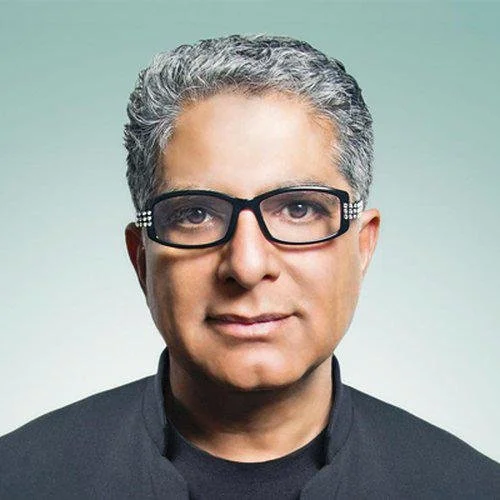
Deepak Chopra | NYTimes Bestselling Author
Karen Salmansohn's writing is bold, playful, insightful with powerful metaphors that provoke and inspire. And she's brilliant at using kinetic images to amplify messages. Highly recommend!
-
![]()
Kristine Carlson | NYTimes Bestselling Author
Over the years I have spent a lot of money on hot shot marketing pros--or so they say! Karen Salmansohn is the first person I've ever worked with that actually improved my traffic and monetization on my website - as well as upgraded my branding. I tell people--you should invest in your website as if you want to be seen on Park Avenue in New York City. Karen can help you brand and market yourself and your business in the way you want to be seen--Park Avenue style.
-
![]()
Seth Godin | NYTimes Bestselling Author
If you're not happy with what you're getting, maybe you need a whole new plan. Karen Salmansohn offers you one. Start now!
-
![]()
Goldie Hawn | Award Winning Actress & Founder of The Hawn Foundation
Karen Salmansohn is a big brain in high heels.
-
![Tony Hsieh | Founder of Zappos]()
Tony Hsieh | Founder of Zappos
Karen Salmansohn is wildly creative and highly innovative – a creative genius of sorts.